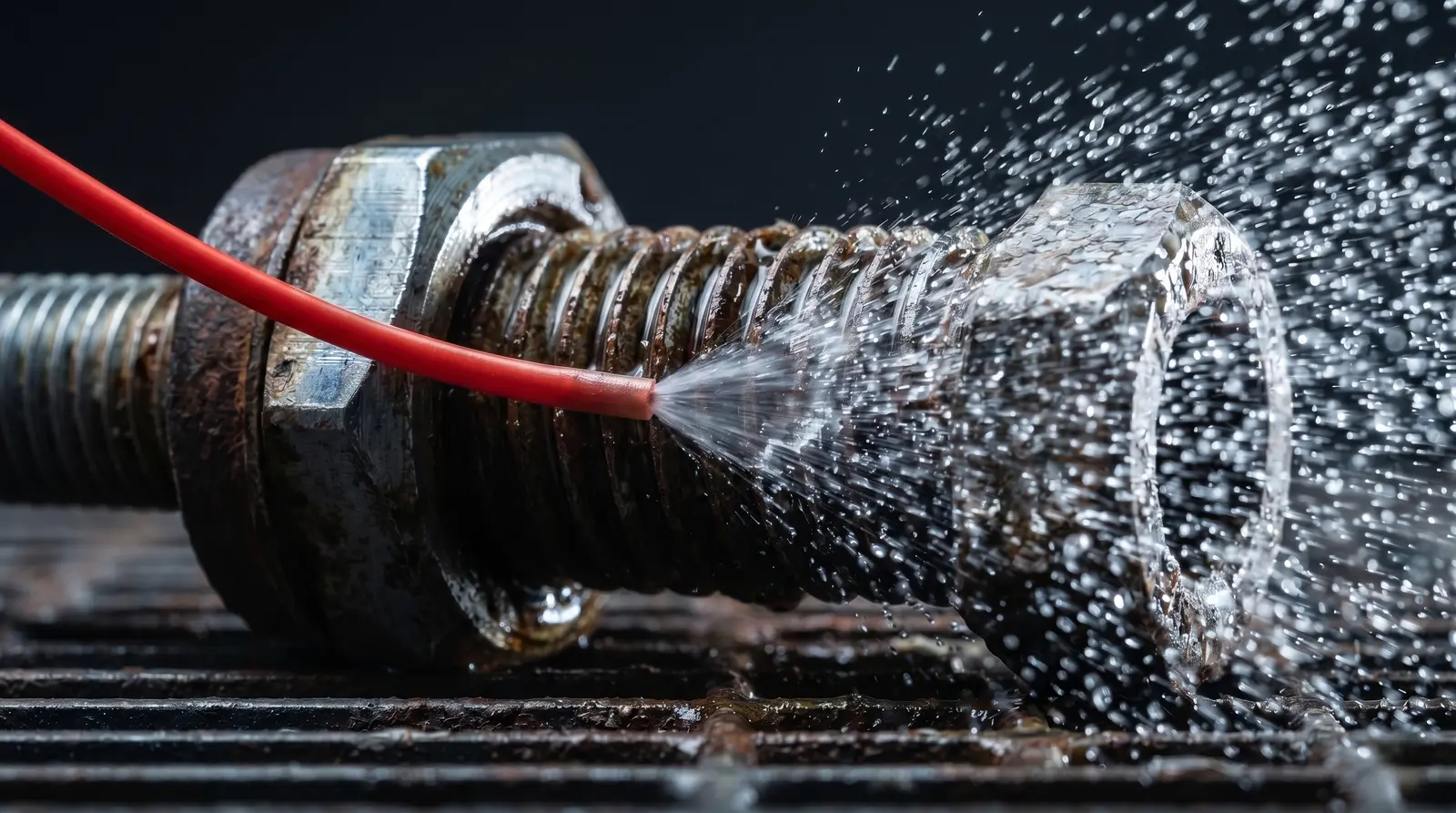
 Step-by-Step Guide
How to Clean and Lubricate a Firearm
Safety first, always: confirm the firearm is unloaded, the magazine is out, and the chamber is clear before anything else touches it. Once that is done, cleaning and lubrication is a short, repeatable routine; the mistake most people make is using too much oil, not too little.
Confirm clear, then field strip
Verify unloaded, remove the magazine, check the chamber a second time, then break the firearm down per its manual. Lay the parts out in the order you removed them.
Run a solvent patch through the bore
A CLP (clean, lubricate, protect) formula or a dedicated bore solvent on a patch, pushed through from chamber to muzzle, lifts carbon and copper fouling. Let it sit a few minutes on a heavily fouled bore before the next pass.
Brush the carbon out
A bore brush and a nylon brush on the bolt face, locking lugs, and feed ramp break loose what the solvent softened. This is the step that actually removes fouling: solvent alone mostly just relocates it.
Patch until it comes back clean
Dry patches, then a final solvent patch, repeated until the patch shows no more carbon or copper color. A bore that still streaks green on a copper solvent patch has more copper fouling left to shift.
Lubricate the wear points only
A drop of oil on the rails, the bolt/carrier contact surfaces, and the barrel hood, not a flooded action. Excess oil in the action collects the same carbon and dust you just cleaned out.
Wipe down and reassemble
A light coat of protectant on external metal guards against rust between range trips. Reassemble, function-check per the manual, and store with the action closed on an empty chamber.
Recommended Products
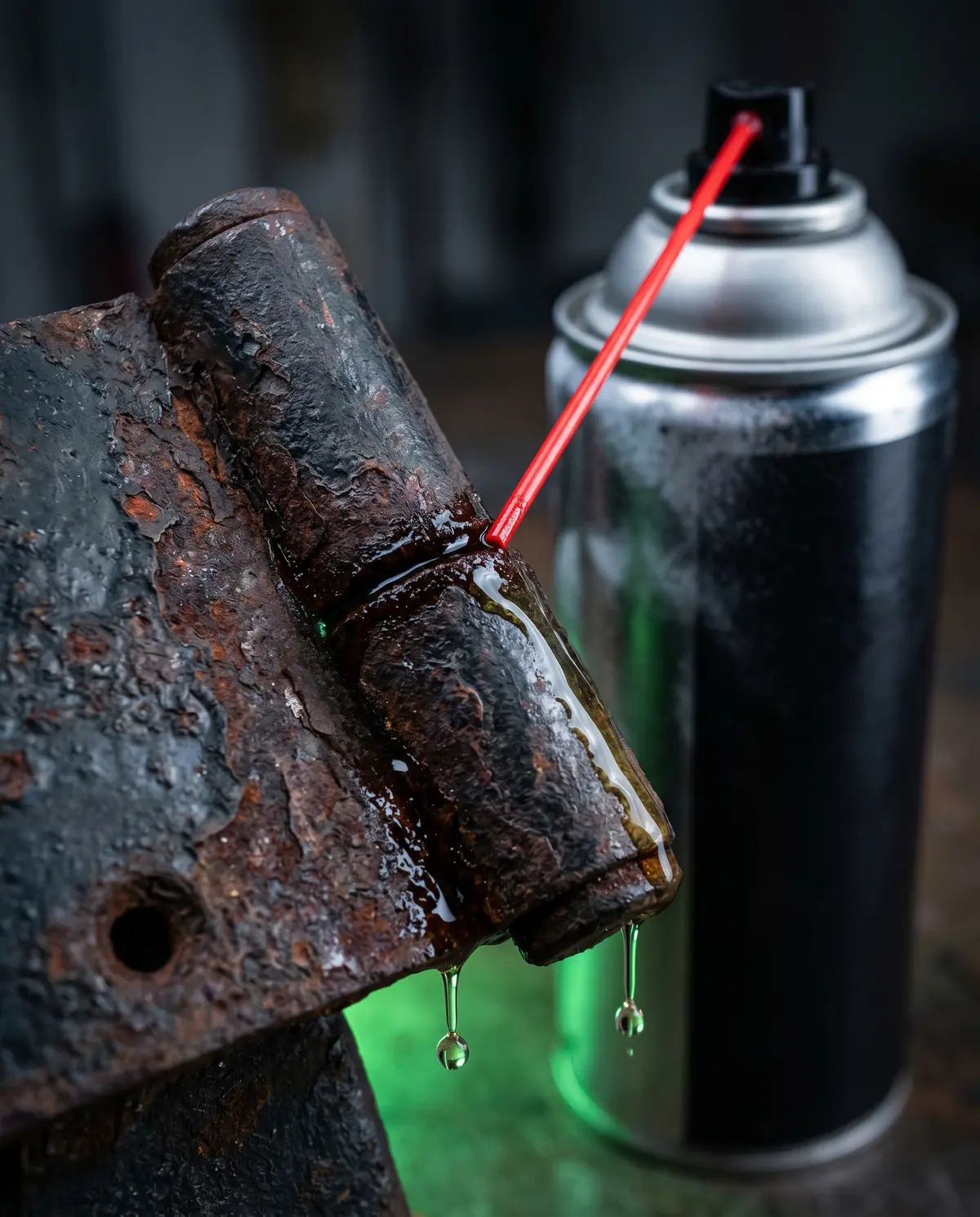
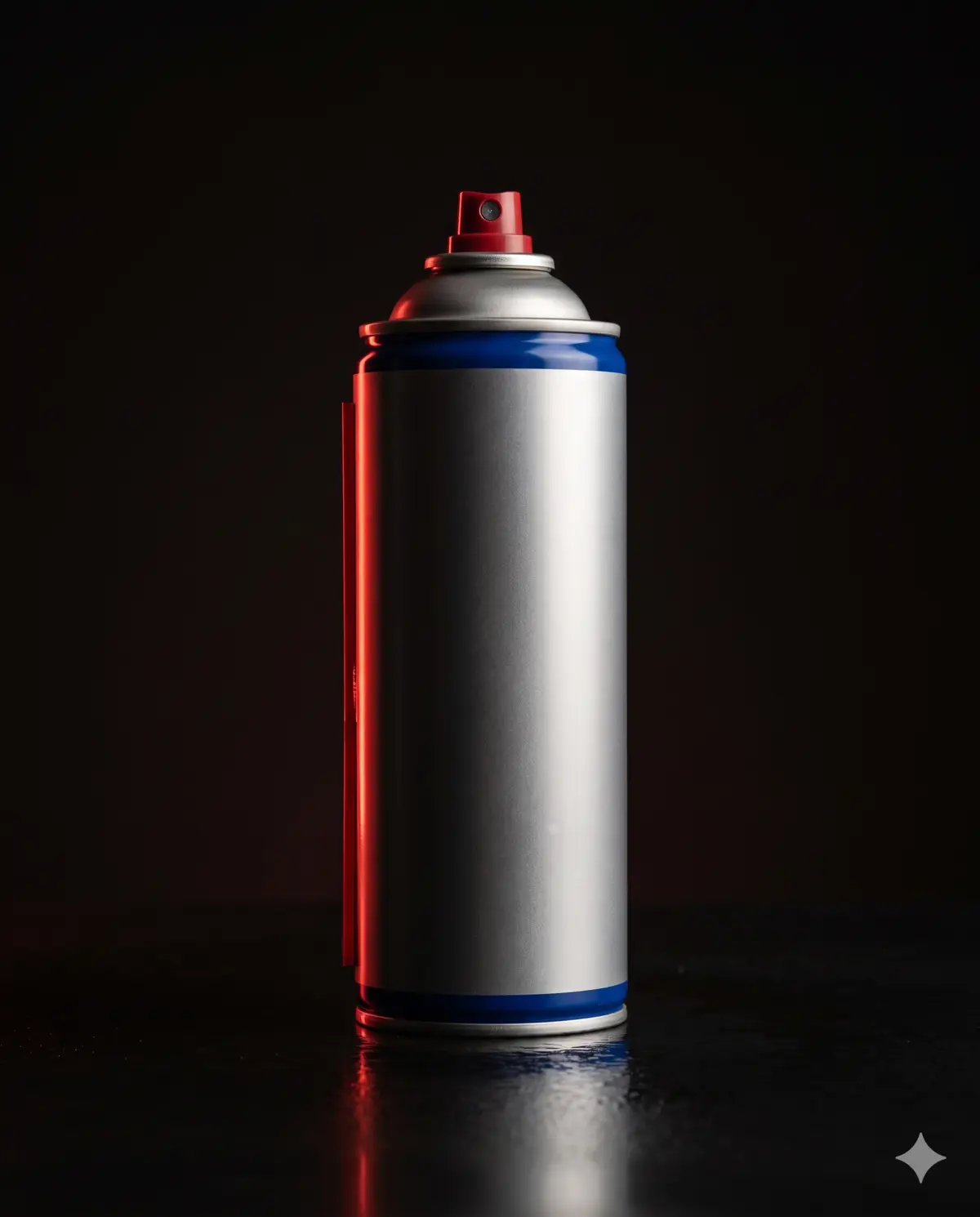
CorrosionX HD
Molecular-level bonding. Aviation-grade. Corrosion doesn't stand a chance.
Advice
CLP formulas clean, lubricate, and leave a protective film in one product, convenient for a routine cleaning, though a dedicated bore solvent still outperforms it on heavy carbon.
A dry, greaseless film lubricant is the right call in sandy or dusty environments: a wet oil there just becomes a grit magnet on the working surfaces.
Store long-term with a light rust-inhibiting coat rather than a running lubricant: the two jobs want different products, and a lubricant left to sit for months can gum up.
Always follow the specific manual for your firearm. Lubrication points and quantities vary by design, and this guide is general orientation, not a substitute for it.
Related Reading
Best Rust Protection Spray
Top rust protection sprays and corrosion inhibitors for long-term metal preservation.
PicksBest Multi-Purpose Lubricant
The best do-everything lubricants for home, shop, and field. When you want one bottle that handles anything you throw at it.
PicksBest Lock Lubricant
Top lock lubricants for stuck, frozen, and stiff locks. Dry lubes that won't attract dust or gum up your pins.
Head-to-HeadBallistol vs Break-Free CLP
Break-Free for pure firearms. Ballistol for everything in your life.