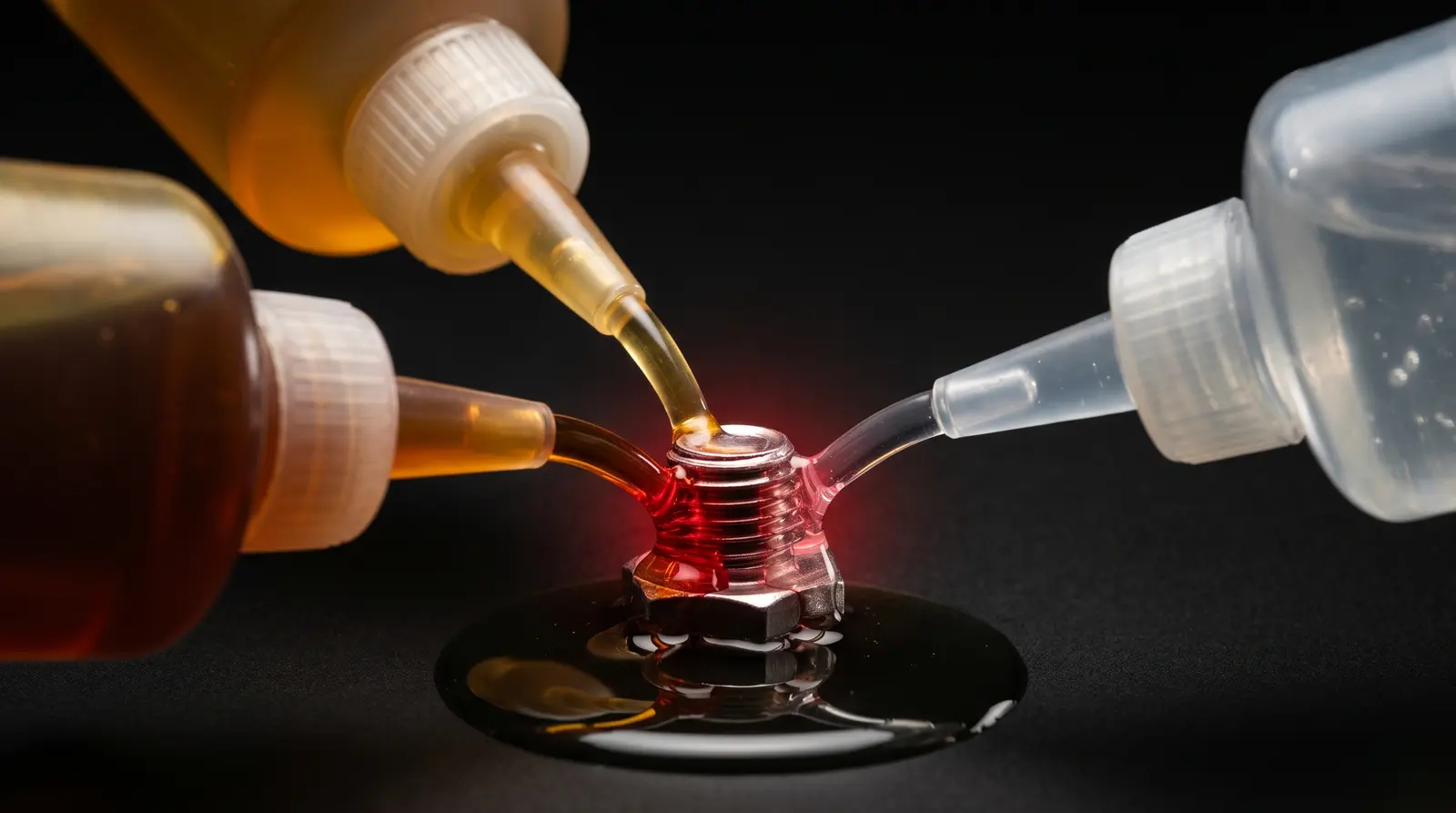
 Step-by-Step Guide
How to Lubricate a Bike Chain
A dry chain grinds, wears fast, and robs you of watts. A properly lubed one runs quiet and shifts clean. The secret is that lubrication is mostly about what you do before the lube ever touches the chain, and how much you wipe off after.
Degrease the old buildup first
Lube applied over grit just grinds that grit into your drivetrain. Wipe the chain down with a rag, or run it through a degreaser, until the rag comes away clean. A fresh chain needs the factory packing grease removed too: it's a shipping coating, not a lubricant.
Dry it completely
Water and degreaser residue block penetration. Backpedal the chain through a clean rag and give it a few minutes in the air. The chain should be dry to the touch before the first drop goes on.
Apply one drop per roller
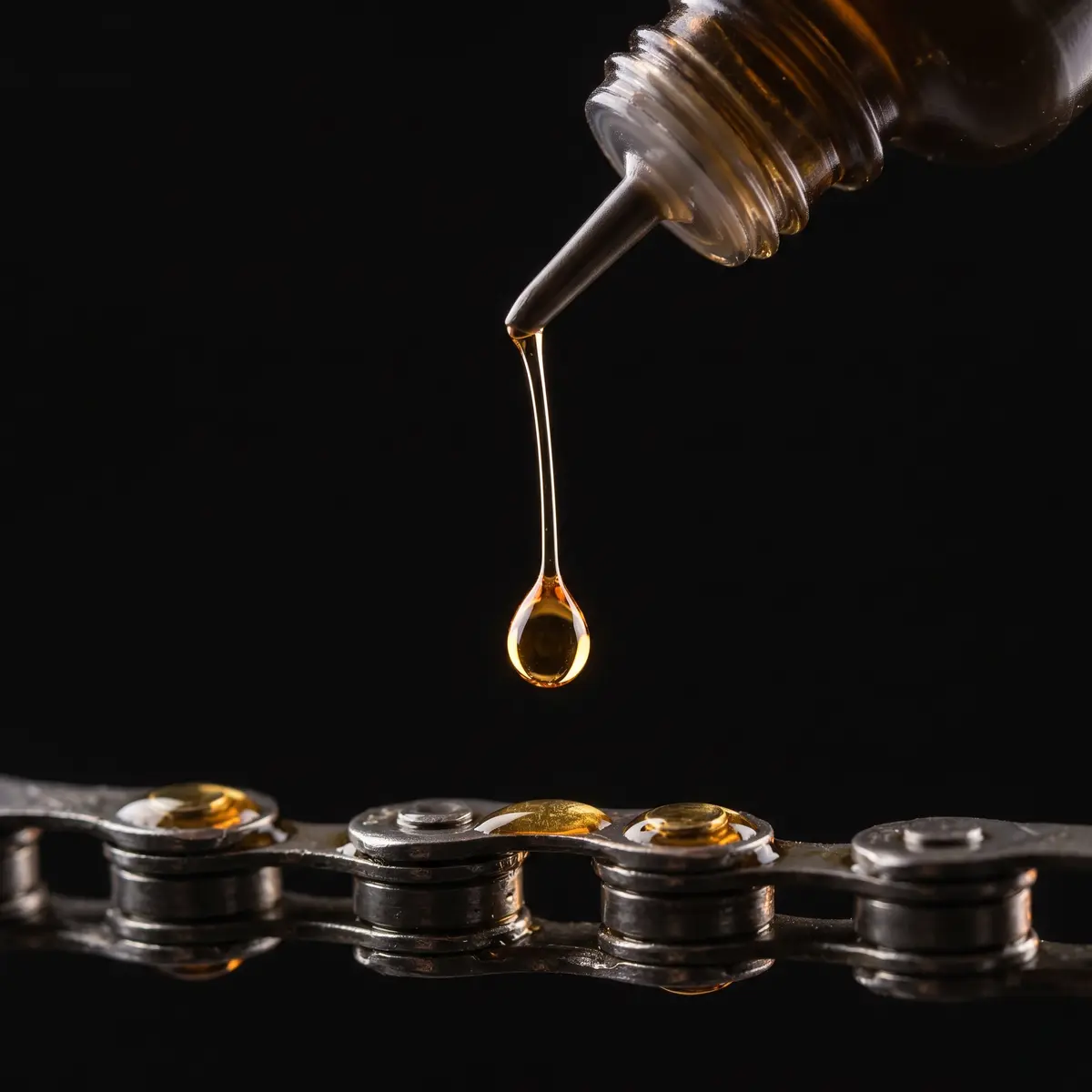
Aim for the gap where the inner roller meets the side plates: that is the joint that actually needs it, not the outside of the chain. Move the pedal backward slowly and place a single drop on each roller as it passes the top of the cassette. One steady pass around the whole loop.
Work it into the links
Backpedal for 20 to 30 seconds and run through the gears. This lets the lube creep into the pins and bushings by capillary action, coating the wear surfaces on the inside where you cannot see them.
Let it set
Dry lubes need time to carry off their solvent and leave the waxy film behind. Give a dry formula several minutes, ideally a few hours before a hard ride, so it sets up instead of flinging off wet.
Wipe off everything on the outside
This is the step everyone skips. Grip the chain in a clean rag and backpedal a full loop. Any lube on the outer plates only collects dirt: the lubrication you want is sealed inside the rollers. A properly lubed chain looks almost dry.
Recommended Products
Advice
Dry conditions want a dry (wax-based) lube that sheds dirt; wet or muddy rides want a wet lube that clings and resists washout. Match the lube to the weather, not the other way around.
More is not better. Over-lubing leaves a black, grit-caked drivetrain that wears faster than a slightly under-lubed one. The excess belongs on your rag, not your chain.
Never spray aerosol lube at an assembled bike from a distance: it drifts onto your rims and rotors and kills braking. Use a drip bottle, or spray onto a rag and apply, near disc brakes.
A chain that squeaks or shows orange flecks is already overdue. Re-lube after any wet ride and periodically strip the whole drivetrain with a degreaser before it builds up.
Related Reading
Best Bike Chain Lube
Top bicycle chain lubricants for dry, wet, and all conditions. Tested on real rides.
PicksBest Rust Protection Spray
Top rust protection sprays and corrosion inhibitors for long-term metal preservation.
PicksBest Multi-Purpose Lubricant
The best do-everything lubricants for home, shop, and field. When you want one bottle that handles anything you throw at it.
Head-to-HeadBoeshield T-9 vs Fluid Film
T-9 dries to a waxy film; Fluid Film stays soft. Both excellent for long-term protection.
Head-to-HeadTri-Flow vs 3-IN-ONE Oil
Tri-Flow for performance; 3-IN-ONE for simplicity and tradition.
Head-to-HeadFinish Line Dry vs Rock N Roll Gold
Finish Line for dry conditions; Rock N Roll Gold for all-around riding.